Hydrochloric acid (HCl) is one of the most widely used mineral acids in various industries. It plays a crucial role in many areas, from pH regulation of water and wastewater to complex chemical processes and the cleaning of metal surfaces, as well as the production of a wide range of products. To ensure precise and safe dosing of hydrochloric acid in production lines, the use of hydrochloric acid dosing systems is essential.
These devices, also known as hydrochloric acid metering pumps or acid injection systems , are specialized equipment that allows for precise control of acid dosage and injection quantity. This article provides a comprehensive overview of hydrochloric acid injection systems, including their components, operating principles, and important aspects of selection, design, installation, operation, and maintenance.
Loyalty program package for customers of AES Arabia LTD.
What is a hydrochloric acid injection ampoule?
A hydrochloric acid injection device is used for the precise supply, storage (in some models), and injection of hydrochloric acid into liquid or gaseous streams at a defined concentration and rate. The primary purpose of these devices is to ensure that the required amount of hydrochloric acid is supplied to the right place at the right time , thereby minimizing losses and ensuring safety.
These systems are necessary for applications that require precise pH control, neutralization, or activation of chemical reactions with hydrochloric acid.
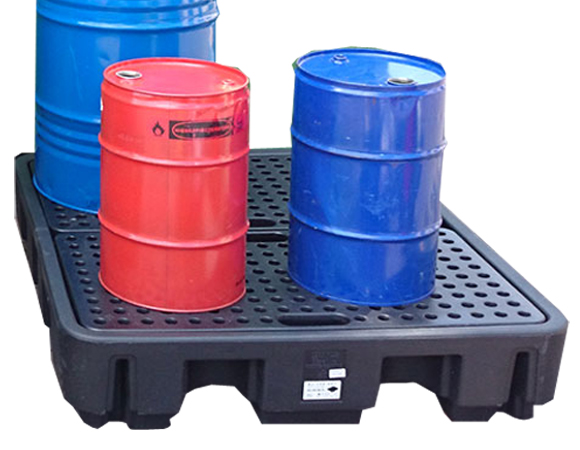
Why is the injection of hydrochloric acid necessary?
Direct injection of hydrochloric acid from large tanks or manual introduction is associated with numerous difficulties and risks:
- Low accuracy: The injection dosage is difficult to control.
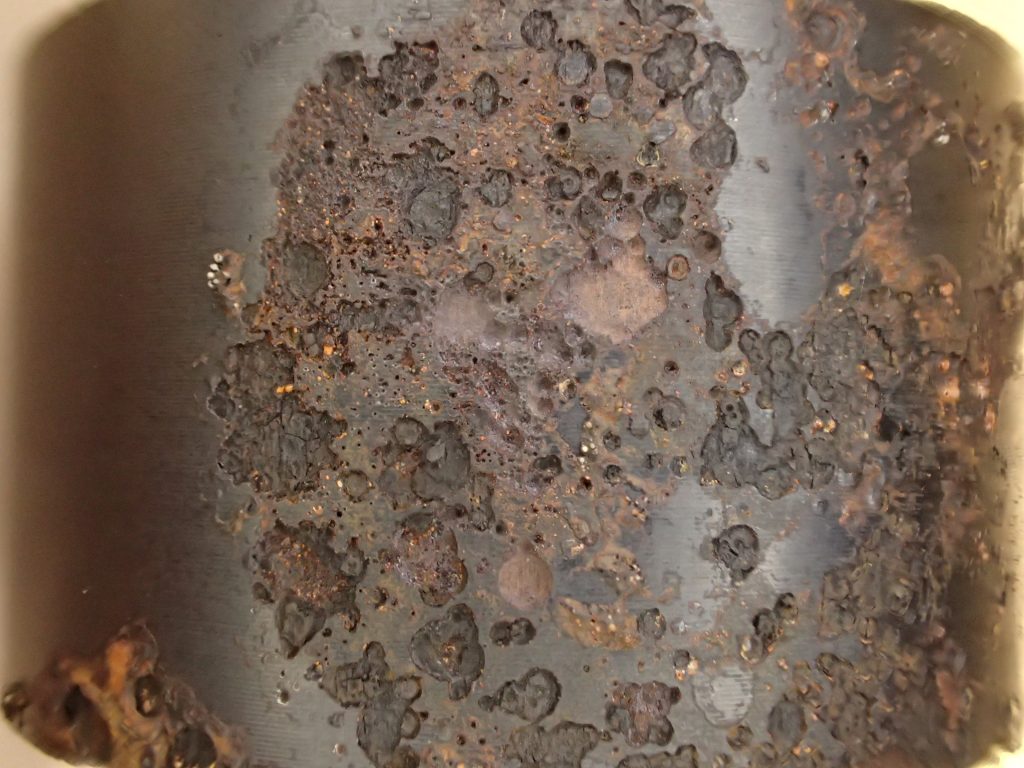
- Safety risk: Contact with concentrated hydrochloric acid is extremely dangerous and can cause severe burns, respiratory damage, and corrosion of equipment.
- Plant damage: Uneven injection or high concentrations of hydrochloric acid can lead to severe corrosion of pipes, fittings and other process equipment.
- Material waste: Overdosing leads to acid loss and increased costs.
- Lack of control: Without a precise system, it is impossible to regulate the rate at which reagents are fed into a chemical reaction or to adjust the pH value.
Hydrochloric acid injection kits offer a safe, accurate and cost-effective solution to these problems.
Components of a hydrochloric acid injection ampoule
A standard hydrochloric acid injection kit typically contains the following components:
1. Acid storage tank
- Material: Usually made from acid-resistant polyethylene (PE) or polyvinyl chloride (PVC).
- Capacity: The capacity varies depending on the amount consumed, from a few tens to thousands of liters.
- Specifications: Includes lid, drain valve (vent valve), level indicator and inlet/outlet connections.
2. Dosing pump
This is the main component of the system, responsible for extracting the acid from the tank and supplying it to the process line. Diaphragm or peristaltic pumps are suitable for pumping hydrochloric acid.
- Diaphragm pump:
- Pump head material: Generally made of corrosion-resistant materials such as PVC, PP, PVDF or PTFE.
- Motor type: electric (with electric motor and crank mechanism) or pneumatic (with compressed air).
- Dosage control: This is usually achieved by adjusting the pulse duration and/or frequency.
- Screw pump:
- Pipes: Typically made from high-strength materials such as PVC, Santoprene or Viton.
- Advantages: It enables the extraction of liquids from deep sea areas and ensures a continuous flow.
3. Pump head
It contains components that come into direct contact with acid and therefore must be made of acid-resistant materials.
4. Check valve
- Suction valve: It is located at the end of the suction pipe, before the acid enters the pump, and prevents it from flowing back into the storage tank.
- Injection valve/injection line: At the injection point of the main pipe, there is a spring and an acid-resistant seal to prevent backflow of the working medium into the injection line.
5. Pipes and fittings
- Material: PVC, CPVC, PVDF, PTFE or acid-resistant hose.
- Importance: Choosing the right material is crucial to avoid corrosion and leaks.
6. Water drain filter
To prevent solid particles from entering the pump and damaging it.

7. Safety valve/counterpressure valve
- Drain valve: Used to release excess pressure when the pipe is blocked or the injector is closed.
- Check valve: Used to maintain a minimum pressure in the injection line. This helps to seal the injector and ensures precise pump operation.
8. Drain valve
Empty and clean the water tank.
9. Electrical switchboards (control panels)
- Functions: Control of the pump switching on/off, adjustment of the piston speed or stroke, status display and communication with other control systems (such as PLC or pH meter).
- Frequency converter (if present): Used for more precise control of the pump motor speed and the flow rate of the injected substance.
Principle of action of hydrochloric acid injection
Hydrochloric acid is usually administered as follows:
- Storage: Hydrochloric acid is stored in tanks.
- Suction: The injection pump draws acid from the tank via a suction pipe and a check valve. A suction filter prevents the ingress of particles.
- Delivery method: The acid is delivered using a pump head.
- Injection: The pump delivers acid to the injection valve at a specific pressure .
- In the treatment line: Acid is injected into the main line (pipe, tank, tower) via an injection valve. A check valve prevents the backflow of the treatment fluid.
- Dosage control: The operator or the control system adjusts the injection rate by changing pump parameters such as piston stroke length, frequency, or engine speed.
- Safety: Safety valves and pressure relief valves protect the system from overpressure.
Use of hydrochloric acid for injection
Hydrochloric acid injection vials are widely used in various industries:
1. Water and wastewater treatment
- pH adjustment: This process neutralizes the high alkalinity that is typical for industrial or domestic wastewater.
- Regeneration of ion exchange resins: Regeneration with cation exchange resin in hardening systems.
2. Chemical industry
- Catalyst: Hydrochloric acid is used as a catalyst in chemical synthesis reactions.
- Chemical manufacturing: Processes used in the production of chlorides, dyes, and pharmaceuticals.
3. Oil and gas industry
- Oil well acidification: Increased oil production through the dissolution of carbonate deposits.
- Equipment cleaning: Removal of deposits from pipes and equipment.
4. Metallurgical Industry
- Etching: Removal of rust and oxides from metal surfaces before painting or spraying.
- Engraving: the creation of unique patterns on metal.
5. Food industry
- pH adjustment: Used in the production of products such as gelatin, sugar, and some beverages.
- Cleaning: Cleaning of equipment and production lines.
6. Paper industry
- pH regulation: in various paper manufacturing processes.
Important points to consider when selecting a hydrochloric acid injection vessel
Choosing the right packaging is crucial for efficient and safe operation. Please note the following:
1. Acid concentration
- Concentrated acid (30-37%): requires more resistant materials.
- Diluted acid: Material selection can be easier.
2. Required flow rate (injection rate)
- Minimum and maximum flow rate: The pump must deliver a flow rate within the specified range.
- Flow control: The selected pump must guarantee precise flow control.
3. Pressure in the process line
- Maximum operating pressure: The pump head and injection valve must be able to withstand this pressure.
- Importance of back pressure: Back pressure valves are essential in low-pressure lines.
4. Type and temperature of the working medium.
- Material compatibility: Ensure that the container can hold the required liquid.
- Temperature: Special materials may be required for high-temperature applications.
5. Materials for the tank
- Polyethylene (PE) or polyvinyl chloride (PVC): the most common choice, with good resistance to hydrochloric acid.
- Water tank capacity: suitable for daily/weekly use.
6. Pump type
- Diaphragm pumps are popular due to their high precision and reliability.
- Screw pumps: Suitable for applications requiring low flow rates, high precision or high suction lift.
7. Control system
- Manual mode: Manually adjust piston stroke or pump speed.
- Automatic mode: Connects to a pH meter, PLC or other sensors to ensure automatic dosing.
8. Safety
- Acid-resistant materials: All parts that come into contact with acids must be acid-resistant.
- Safety valve: an indispensable device for hazard prevention.
- Ventilation system: for storage tanks and pump units (if required).
Installation and operation of a hydrochloric acid injection device.
Correct installation ensures the safe and efficient operation of the device:
- Location: Choose a well-ventilated area that is protected from direct sunlight and active ingredients.
- Water tank installation: Place the water tank on a flat and stable surface.
- Water pump installation: Install the water pump near the storage tank and the injection point, preferably at a height slightly above the liquid level in the tank (to avoid the effects of gravity).
- Connection to the water supply: Use suitable pipes and fittings (PVC, PVDF, PTFE).
- Installation of the injector: Install it in a suitable location on the main line, preferably where the fluid flows.
- Electrical connection: The water pump and the control cabinet must be connected by qualified personnel.
- Check: First rinse the container with water, then rinse it thoroughly with acid to ensure it is in good condition and has no leaks .
Operation and configuration
- Flow rate regulation: First, set the desired water flow rate by changing the piston stroke or pump frequency. Then, use acid for fine-tuning.
- pH value adjustment: When connected to a pH meter, adjustments to the setpoint and the adjustment device may be necessary.
- Regular checks: Check the water pump and the water level in the tank daily and make sure there are no leaks.
Maintenance and repair
Regular maintenance can extend the lifespan of your equipment and prevent problems:
- Daily: Check the pH level, ensure there are no leaks, and check if the pump is making any unusual noises.
- Weekly/Monthly:
- Clean the dust filter.
- Check and clean the pump head and valves.
- Check the condition of the hoses and connections.
- Regularly (according to the manufacturer’s instructions):
- Replacing the diaphragm (in diaphragm pumps).
- Replacement of hoses (for screw pumps).
- Repair of check valves.
- Pump calibration.
Important safety rules when handling hydrochloric acid and injection solutions.
- Always wear appropriate personal protective equipment: acid-resistant gloves, safety goggles, respirator and apron.
- Good ventilation is extremely important when working with acids.
- Acid must never be mixed with water; water is always added to the acid (this rule does not apply, of course, since the acid is injected in this case, but it must be followed when preparing dilute solutions).
- If acid comes into contact with skin or eyes, rinse immediately and thoroughly with water and seek medical advice.
- During maintenance work, the fuel line must first be drained and flushed with water.
- The acid injection device may only be operated by trained personnel.
In conclusion
Hydrochloric acid injection systems are indispensable tools for industries requiring precise and safe control of this widely used chemical . Selecting the right system based on factors such as acid concentration, required flow rate, pipeline pressure, and chemical resistance, along with professional installation, precise operation, and regular maintenance, ensures optimal performance, increased safety, and reduced operating costs.
These systems not only improve the accuracy of operation, but also create significant added value for various industries by reducing the risk of direct contact with acid and preventing corrosion of equipment.