Introduction
A Chemical Injection Package is a fully integrated system designed for precise and controlled injection of chemicals into industrial processes. These systems play a vital role in oil & gas, petrochemical, water treatment, power plants, and other process industries. This comprehensive article explores chemical injection packages, their key components, applications, and critical selection factors.
1. What is a Chemical Injection Package?
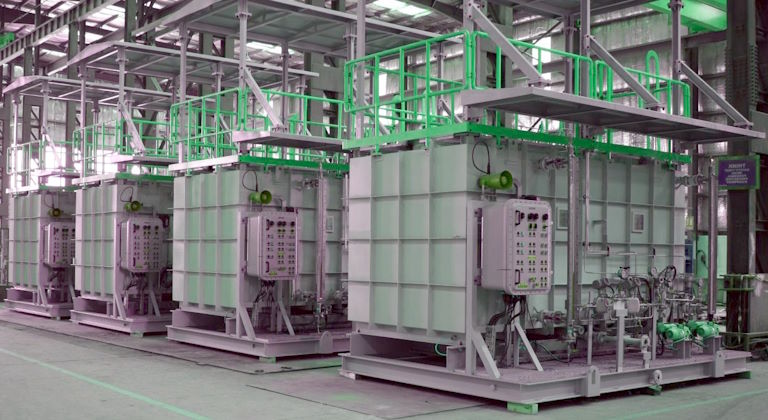
A chemical injection package is an engineered system for automated, precise chemical injection into pipelines, tanks, or process equipment. These systems typically include dosing pumps, storage tanks, piping, valves, and control systems, designed as skid-mounted units for easy installation and relocation.
1.1. Importance of Chemical Injection Systems
-
Precise dosing control (even at very low rates)
-
Prevents scaling, corrosion, and bacterial growth in pipelines
-
Enhances process efficiency through optimized chemical treatment
-
Reduces operational costs and extends equipment lifespan
2. Key Components of Chemical Injection Packages
A standard chemical injection package consists of:
2.1. Dosing Pumps
-
Diaphragm pumps (API 675 compliant)
-
Peristaltic pumps
-
Piston pumps
-
Flow rate adjustable from 0.1 LPH to several m³/h
2.2. Chemical Storage Tanks
-
Constructed from PE, PP, stainless steel, or FRP
-
Equipped with level gauges, venting systems, and drain valves
-
UV-resistant for outdoor installations
2.3. Piping and Fittings
-
Corrosion-resistant materials (PVDF, PTFE, stainless steel)
-
Includes check valves, pressure relief devices, and filters
-
Designed for high-pressure applications
2.4. Control & Monitoring System
-
PLC or digital controllers
-
Flow, pressure, and level sensors
-
Leakage and pump failure alarms
-
SCADA integration capability
2.5. Skid & Enclosure
-
Galvanized or stainless steel frame
-
Explosion-proof enclosure (ATEX) for hazardous areas
-
Ventilation and climate control for extreme environments
3. Industrial Applications
These systems serve diverse industries:
3.1. Oil & Gas
-
Corrosion inhibitors for pipelines
-
MDEA injection for gas sweetening
-
Biocide treatment for microbial control
3.2. Water Treatment
-
Chlorine/ozone disinfection
-
Coagulant polymers in WWTPs
-
pH adjustment with acids/alkalis
3.3. Food & Pharma
-
Sanitizer injection in production lines
-
Sterilization with hydrogen peroxide
3.4. Power Plants
-
Hydrazine dosing for boiler corrosion control
-
Scale inhibitors in cooling towers

4. Key Design Standards
-
API 675 for metering pumps
-
ASME B31.3 for process piping
-
ATEX/IECEx for explosive atmospheres
-
NACE MR0175 for corrosion resistance
-
ISO 9001 quality systems
5. Selection Criteria
-
Chemical properties: Acids, bases, solvents, or viscous fluids?
-
Flow & pressure requirements: From mL/h to m³/day
-
Dosing accuracy: Typically ±1% for critical applications
-
Environmental conditions: Temperature, humidity, hazardous areas
-
Material compatibility: Need for PTFE, PVDF, or Hastelloy?
-
Control level: Manual, semi-automatic, or fully automated?

6. Benefits of Standardized Packages
-
Eliminates human error in chemical dosing
-
Reduces chemical consumption
-
Data logging and remote monitoring
-
Lower maintenance costs
-
Enhanced personnel and environmental safety

7. Conclusion
Chemical injection packages provide reliable, safe, and precise chemical dosing solutions for industrial processes. Proper system selection based on chemical properties, operating conditions, and relevant standards optimizes performance while reducing costs and risks.
Leading manufacturers offer custom-engineered solutions tailored to specific project requirements. Consultation with experienced engineers is recommended for optimal system design.
Keywords:
Chemical Injection Package, Dosing System, Metering Pump, API 675, Oil & Gas Chemical Injection, Skid-Mounted Systems, Process Automation