He represents
In industrial and laboratory environments where chemicals are used, there is always a risk of eye splashes. Some of these substances can cause irreversible vision damage within seconds. Therefore, an emergency eyewash station is one of the most important safety measures in such environments. In this article, we explore the importance of emergency eyewash stations in chemical infusion systems, the different types of eyewash stations, their correct use, and the corresponding regulations.
Why is eyewash so important in an emergency?
Chemicals such as acids, alkalis, and solvents can quickly damage the cornea, conjunctiva, and other parts of the eye. Complications that occur upon contact with the eye include:
-
Chemical burns
-
severe swelling and redness
-
blurred vision or temporary loss of vision
-
Corneal ulcers and irreversible damage
Studies have shown that rinsing the eyes within seconds of exposure to a chemical can significantly improve the chances of recovery. Therefore, it is important to install eyewash stations near workplaces where hazardous substances are handled .
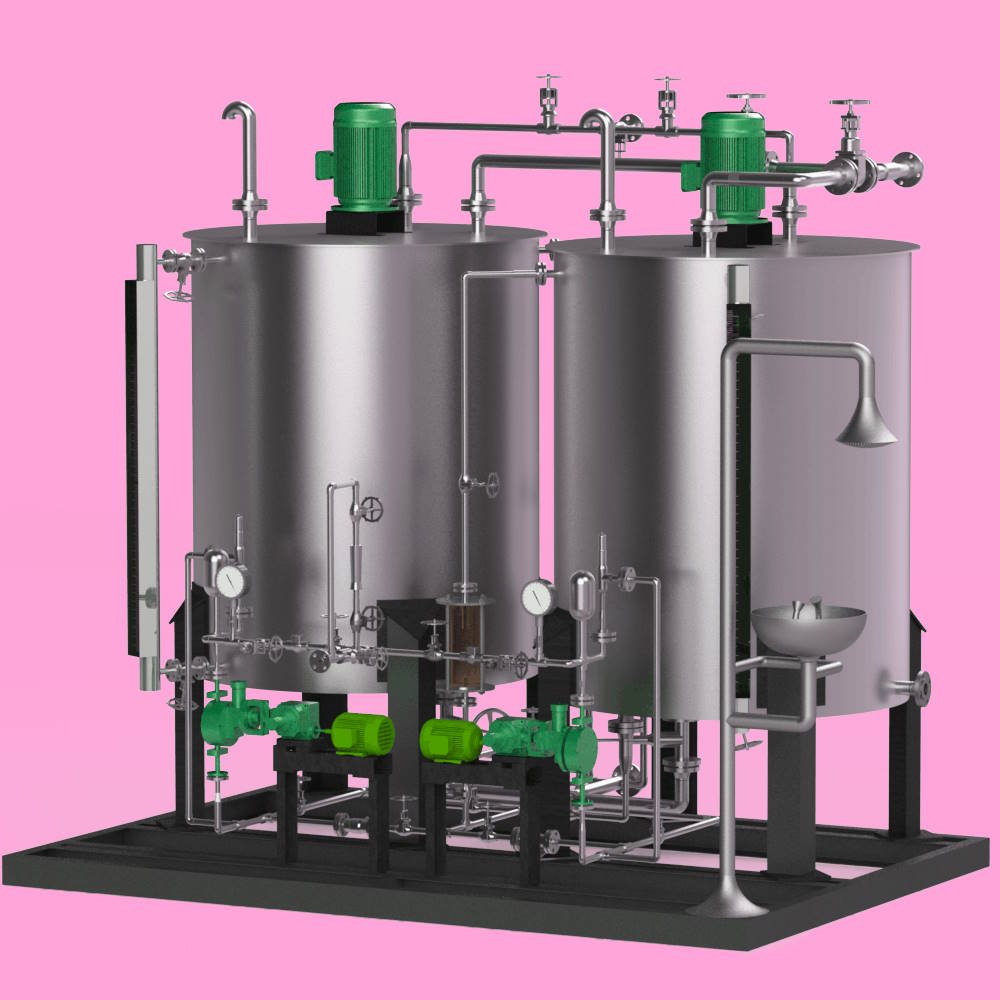
Chemical injection containers and associated risks
Chemical injection systems are used in a wide variety of industries, including oil and gas, desalination, and pharmaceuticals. These systems are typically used to inject chemicals, for example:
-
Acids (such as sulfuric acid and hydrochloric acid)
-
Alkalis (e.g. caustic soda)
-
Corrosion and deposit inhibitors
-
Disinfectant
They have been used. When handling these packages , leaks, accidental spills, or pipe bursts may occur, which may result in eye contact with employees.
Types of emergency eyewash stations
To address these risks, various eyewash devices have been developed, including:
1. Station for washing pipe eyes
These devices are connected to municipal or industrial water systems and provide continuous drainage. Their functions include:
-
continuous water supply
-
Can be installed in potentially explosive atmospheres
-
Meets ANSI and OSHA standards
2. Portable eyewash station
This model is suitable for rooms without running water. Features:
-
Use saline or sterile water.
-
Easy to carry
-
Suitable for use on construction sites or in temporary workshops.
3. General shower and eyewash station
In some industrial environments, eyewash stations and body washes are required in addition to eyewash stations . These systems fulfill both functions.
Safety rules for eyewash stations
To ensure proper operation of the eyewash station, the following international standards must be observed:
-
ANSI/ISEA Standard Z358.1 : This standard states that an eyewash station must be accessible within 10 seconds and must provide clean water at sufficient pressure for at least 15 minutes .
-
OSHA Standards : The Occupational Safety and Health Administration (OSHA) requires the use of eyewash stations in workplaces where hazardous substances are present.
-
EN 15154 : European standard for emergency eye and body showers.
How to use an eyewash station correctly
If chemicals come into contact with your eyes, take the following steps immediately:
-
Direct the victim to an eyewash station.
-
Hold your eyelids open with your fingers and let the water flow freely into your eyes.
-
Rinse your eyes with water for at least 15 minutes. (For substances such as strong acids or bases , the rinsing time may be longer.)
-
When brushing, move your eyes from side to side and brush all areas.
-
Even if your symptoms improve after cleansing , you should consult a doctor.
Basic tips for maintaining an eyewash station
-
The water in portable units should be changed monthly to prevent bacterial growth.
-
Permanently installed equipment should be checked weekly to ensure it is in good working order.
-
Paths to eyewash stations must be kept clear at all times.
Finally
Emergency eyewash stations are required in workplaces where chemicals are injected . Installing eyewash stations that meet international standards and training employees in their proper use can prevent serious eye damage. Prevention is always better than cure . Therefore, investing in safe eyewash stations is not only a legal requirement but also a personal responsibility.
Finally, employers and safety officers are encouraged to conduct regular training programs for their employees so that they can respond quickly and appropriately in emergency situations.