introduction
In many industrial processes, foaming is a common problem that can reduce product quality, disrupt equipment and even lead to production line shutdowns. To solve this problem , an effective defoamer injection system has been developed. This system prevents or quickly eliminates unwanted foaming by injecting the defoamer into the desired area.
In this article, we will look at the components of an antifoamer injection system, its benefits, industrial applications, and important considerations when selecting and maintaining this system.
What is an anti-foam injection bag?
The defoamer supply system is an automatic or semi-automatic foam control system. It includes an antifoam storage tank, an injection pump, piping, injection nozzles, and a control system that work together to ensure that the defoamer is supplied to the predetermined points.
Main Components of the Defoamer Injection Package
-
Defoamer storage tank
-
The tank contains an antifoaming solution and is usually made of stainless steel or polyethylene to store chemicals.
-
-
injection pump
-
Diaphragm or peristaltic pumps are used to supply the defoamer, which control the exact dosage of the material.
-
-
Pipe and nozzle system
-
Pipes and fittings are made of corrosion-resistant materials (such as PTFE or PVC).
-
Nozzles are designed to evenly distribute the defoamer .
-
-
Control System (Automation)
-
Some trim levels have ground detection sensors that intelligently adjust the injection rate.
-
 Application of Anti-Foam Injection Packaging
This system is used in many industries, including:
1. Food & Beverage
-
On lines for the production of soft drinks , milk and dairy products , the formation of foam leads to the destruction of bottles.
2. Chemical and Petrochemical Industry
-
In distillation processes, chemical reactions, and wastewater treatment, the resulting foam can be dangerous .
3. Pharmaceutical Industry
-
In the production of pharmaceuticals and sterile solutions, foam control is critical to maintaining product quality.
4. Pulp and paper industry
-
In mass production, foam reduces efficiency.
5. Wastewater treatment facilities
-
Excessive foam formation in aeration tanks impairs the performance of the filtration system.
Benefits of Using Defoamer Injection Containers
 Reduced production costs (by eliminating production line downtime)
Improving the quality of the final product
Reduced consumption of defoamers (due to precise and controlled injection)
Increased process safety (by eliminating foam overflow)
Possibility of automation and integration with industrial systems
Important Considerations When Choosing a Defoamer Injection Container
-
Anti-foaming material type
-
Depending on the industry, anti-foam materials made of silicone, metal or polymer are chosen.
-
-
Injection power and consumption
-
It should be proportional to the volume of foam formed in the process.
-
-
Equipment Type
-
In the chemical industry, the use of grade 316 stainless steel is essential to prevent corrosion.
-
-
control system
-
If high accuracy is required, PLC-based systems are recommended.
-
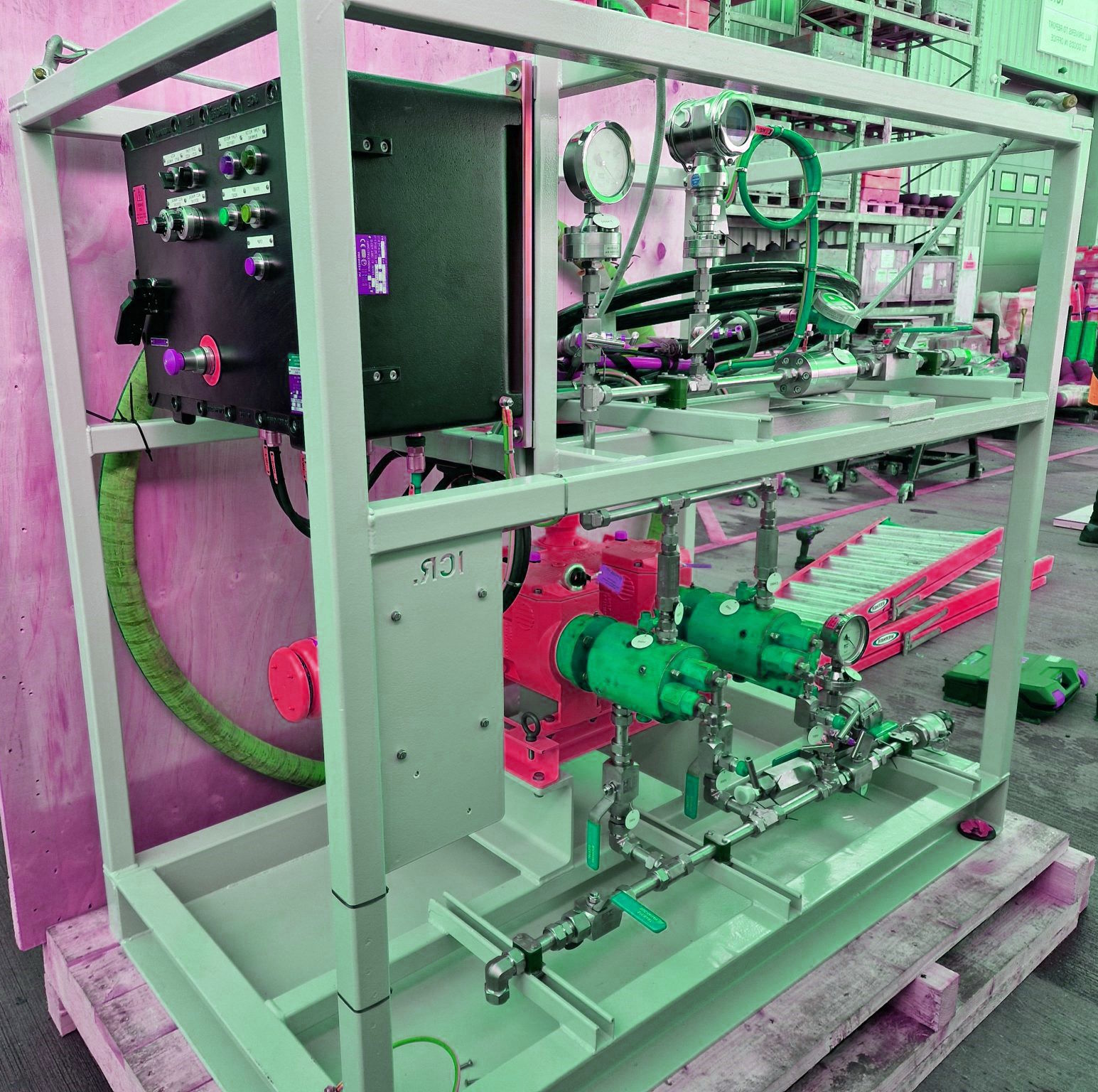 Maintenance and repair of the defoamer injection unit
 Periodic inspection of pipes and nozzles (prevention of blockages),
as well as calibrating pumps to ensure accurate dosage of the product
to clean the tanks on a regular basis.
conclusion
The foam — injection system is an indispensable solution for controlling excess foam in various industries. Choosing the right system and maintaining it regularly can prevent problems with excess foam and improve production efficiency.
If you want to design and install an anti-foam system , it is best to consult with experienced professionals to choose the best system for your needs.
 For more information, please contact our experts.