Crevice corrosion is one of the most destructive and dangerous types of corrosion, occurring in cracks and stagnant zones of industrial facilities. This article analyzes the mechanisms of its development, influencing factors, prevention methods, and measures to combat it.
1. Definition and mechanism of corrosion cracks
1.1 What is crevice corrosion?
Crevice corrosion is a type of localized corrosion that:
-
Occurs in confined spaces (usually less than 0.1 mm)
-
Occurs in areas where fluid flow is restricted.
-
Electrolytes required.
-
It is usually found in inert metals such as stainless steel.
1.2 Learning mechanism
-
Differences in oxygen concentration : In space, the oxygen content decreases.
-
Acidification of the environment : Hydrolysis produces hydrogen ions.
-
Corrosion formation : potential difference between crack zone and free surface.
-
Increased corrosion : The corrosion rate increases in acidic and oxygen-poor environments.
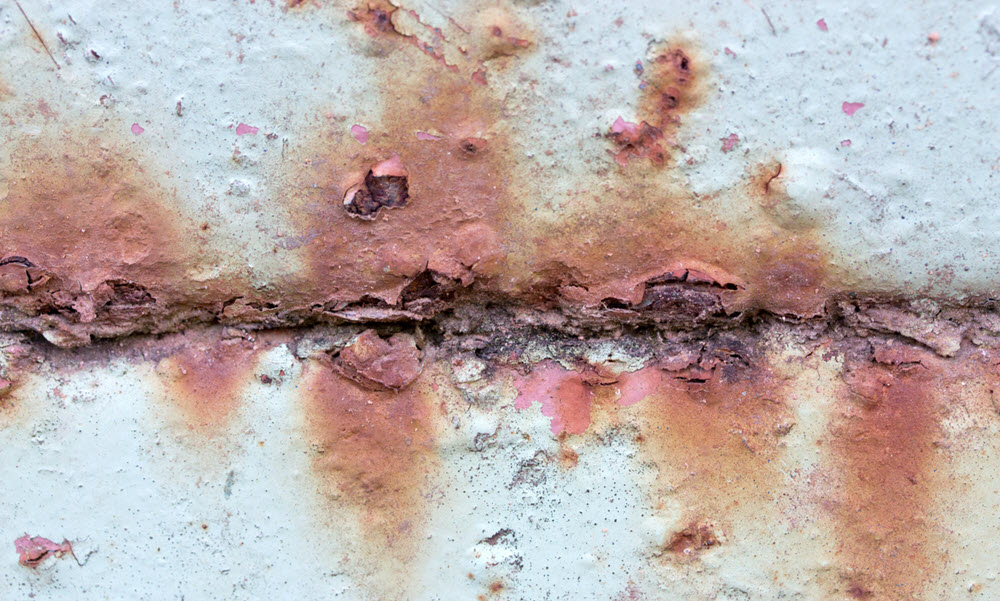 2. Areas affected by crevice corrosion
2.1. In industrial plants
-
Washers and screws below
-
Contact point of the lips
-
Under sediment and mud
-
squeezed between pages
-
Under organic color
2.2. In a hydrocyclone
-
Connect the cone to the cylindrical part.
-
Location of cladding installation
-
Mechanical seals
-
Solid particle accumulation zone
3. Factors that aggravate crack erosion
3.1 Environmental factors
-
Temperature : For every 10 °C increase in temperature, the corrosion rate increases by 2 to 3 times.
-
Chloride ion concentration : the most important factor in the aquatic environment
-
pH : An acidic environment increases the risk.
-
Dissolved oxygen : the concentration difference between the free surface and the interstitial space.
3.2 Design factors
-
Gap width : The most critical gap is between 0.025 and 0.1 mm.
-
Crack depth : The deeper the crack, the stronger the corrosion.
-
Materials : Austenitic stainless steel is the most sensitive.
-
Surface condition : Paint defects can lead to corrosion.
4. Methods of prevention and control
Designing solutions
-
Closing gaps : seamless and consistent design
-
Improves drainage : prevents fluid retention.
-
Using putty : Fill the gaps with a suitable sealant.
-
Improved connection : The number of threaded connections has been reduced.
4.2 Selection of suitable materials
-
Duplex steel : higher strength than austenitic steel
-
Nickel alloys : such as Hastelloy C-276
-
Non-metallic materials : fiberglass, polyurethane or PTFE for aggressive environments
4.3 Protection methods
-
Cathodic protection : suitable for large devices.
-
Protective coating : rubber or epoxy paint
-
Corrosion inhibitors : chemical additives to liquids
-
Surface polishing : Reduces roughness and stress concentration at points.
5. Detection and monitoring methods
5.1. Non-destructive testing (NDT)
-
Ultrasound : Wall thickness measurement
-
Industrial radiography : Determination of substrate corrosion
-
Thermal imaging : detecting temperature differences
-
Eddy current testing : For metal surfaces
5.2 Laboratory methods
-
Mineralogy : Investigation of the microstructure of damaged areas
-
Chemical analysis : identification of corrosion products
-
Dynamic load tests : Evaluation of pitting corrosion resistance
6. Relevant regulations
6.1 Test criteria
-
ASTM G48 : Standard Test Method for Pitting and Crevice Corrosion Resistance
-
ASTM G78 : Guide to Testing for Crevice Corrosion in Metallic Assemblies
-
ISO 11306 : Assessment of resistance to crevice corrosion
Design standards
-
ASME B31.3: Design requirements for the prevention of crevice corrosion
-
NACE SP0178 : Corrosion protection for ship systems
-
API 571 : Corrosion diseases in the petroleum and natural gas industry
7. Practical examples
7.1 Oil and gas industry
-
Problem : Corrosion caused by cracks in flange connections of pipes.
-
Solution : Use PTFE and duplex alloy gaskets.
-
Result : The service life of the devices increased from 2 to 10 years.
7.2 Energy industry
-
Problem : Corrosion under the deposits of the heat exchanger.
-
Solution : Consistent design and regular cleaning schedule.
-
Result : Reduction in repair costs by 75%.
7.3 Maritime transport
-
Problem : Corrosion of the sea water pump connections .
-
Solution : Cathodic protection and rubber coating.
-
Result : 8 years of trouble-free operation.
8. New technology to combat crevice corrosion
8.1 New materials
-
Nanocomposites : high resistance in aggressive environments
-
Intelligent coatings : self-healing in case of damage
-
Specially developed alloy : resistant to corrosion and damage.
8.2 Monitoring system
-
Integrated sensors : Detect corrosion early
-
Online monitoring : measurement of corrosion parameters in real time
-
Predictive models : Using artificial intelligence to predict erosion
Finally
Crevice corrosion is a hidden danger that can cause irreparable damage to industrial facilities. Effective control of this phenomenon requires a systematic approach that includes the following measures:
-
Improved design to reduce gaps
-
Choose suitable materials with sufficient strength.
-
Protection planning including painting and cathodic protection
-
Continuous monitoring and regular examinations
-
Train your staff to recognize and report early symptoms.
Implementing these solutions can significantly extend the service life of equipment and avoid repair costs and production downtime. Further developments in this area are aimed at developing smart materials and modern monitoring systems that promise more effective control of this type of corrosion.