Many pieces of equipment, such as pressure vessels, heat exchangers, storage tanks, and pumps, are not purchased individually, but as a package: a group of devices purchased as a single functional unit. Examples include air compressors, water treatment systems, and chemical dosing systems. The mechanical engineering department designs the complete equipment package based on process data to determine the overall performance criteria and design requirements for each piece of equipment and its components.
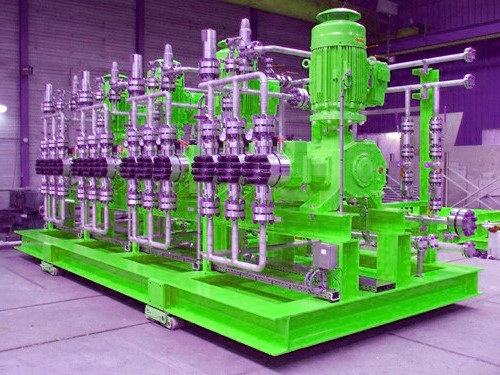
A prefabricated unit is a device consisting of various devices, components, piping, instrumentation, electrical equipment, and other accessories. All components are manufactured and assembled in a factory and are usually mounted on a skid for ease of connection and use on-site. If you haven’t read my previous article on the features and benefits of prefabricated units, please follow the link below.
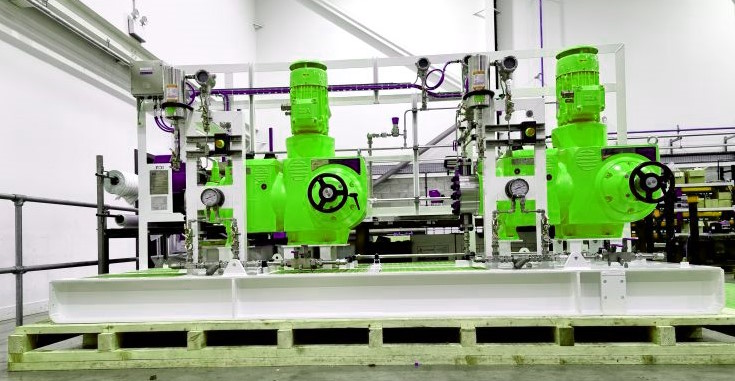
Standard operating packages/modules: Overview
As design engineers—whether from the owner’s design department, a supplier, or a consultant —we need to identify potential and critical bottlenecks in the facility we’re working on as early as possible (when developing the RFP specification or during the project proposal phase). This allows us to incorporate these key points into the specifications and provide clear explanations to the supplier or customer. This helps avoid unpleasant surprises later on, such as impacts on costs and schedules.
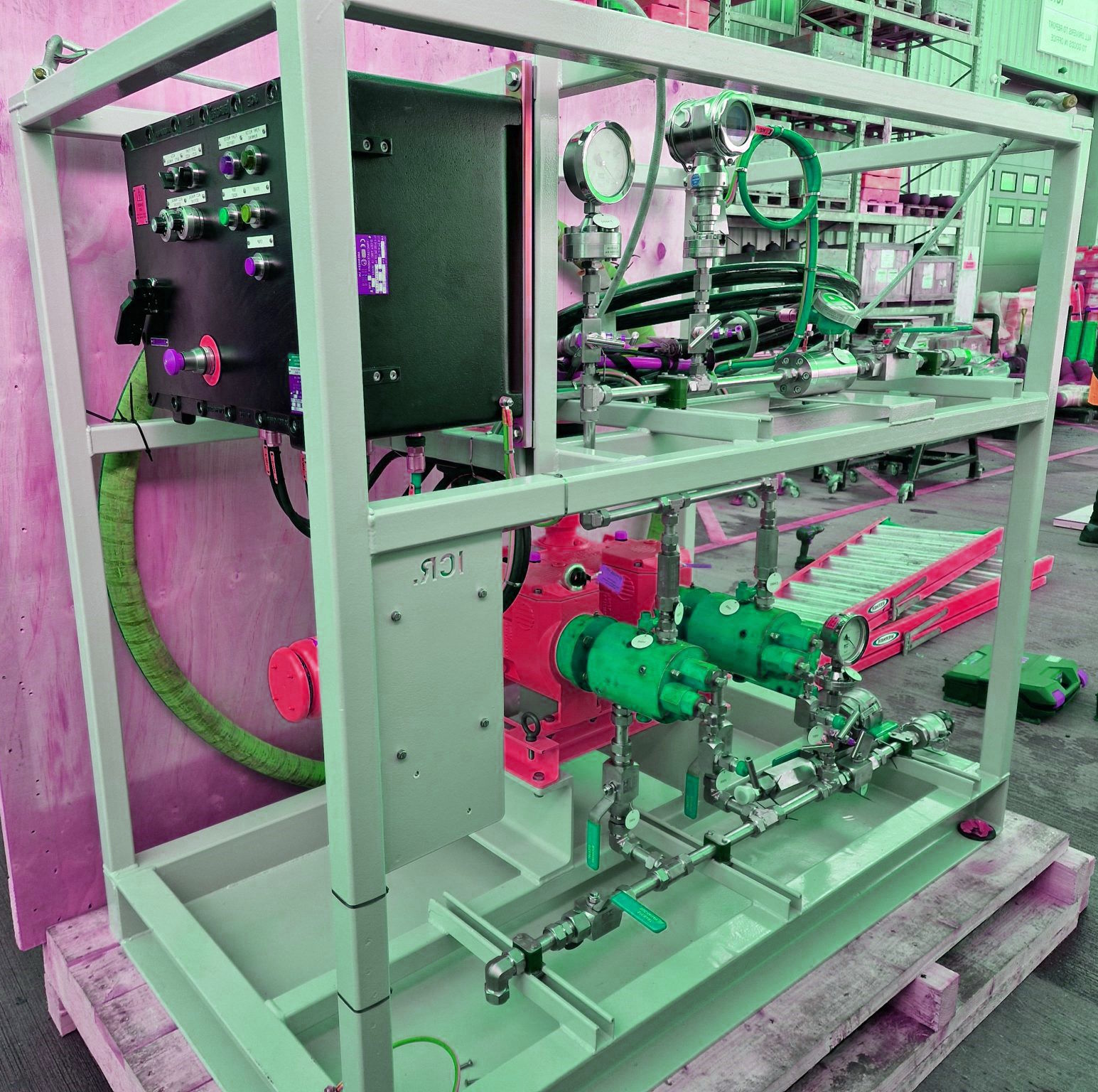
In this article, we cover the basic and important checklists for packaging equipment, including material selection, workshop setup, inspection and testing, transportation, installation, and commissioning. All items covered in this article apply to all packaging equipment. We do not address checklist items specific to larger packaging equipment (e.g., pumps, heat exchangers, tanks, etc.).
For better understanding, the packing equipment list is divided into four (4) main sections: (1) In Store, (2) During Transit, (3) On Site and (4) General Requirements.
1. List of packaging equipment – in the store:
Below are the most important criteria to consider when building a retail container.
A. Create a shop
b) Requirements for sockets
C. Inspection and testing requirements
D. Packaging information
e. Requirements for pipes, valves and fittings
i. Structural requirements
Z. Center of gravity and requirements for the lifting rope
Requirements for control and device service life
Electrical and wiring requirements
Visit C etc.
2. List of packaging materials – on site:
Below are important details to consider when installing closed circuit equipment on-site .
A. Basic requirements
b) Requirements for storage rooms, etc.
3. Packing list – for transport:
Here are some important details to consider when transporting packaging equipment, such as moving finished packaging equipment from one store to another.
A. Shipping and Handling Requirements
b) Cranes, lifts, etc. are required.
4. Package Equipment List – General:
Below are important checkpoints to consider when inspecting enclosed equipment.
A. Restrictions and scope of work
b) Local conditions
c. Subcontractors/requirements for subcontractors etc.
Detailed information on each major subcategory of the packaging equipment list is presented in a separate article. If you find any corrections or missing technical information, please report them in the comments.