In civil engineering, dam construction, tunneling, wall reinforcement, and even drilling water and oil wells, materials are often needed to control pressure, lubricate walls, and prevent collapse . One of the most effective and widely used materials is bentonite .
Bentonite mud injection systems are used for the processing, storage, and transportation of this valuable material. This integrated system ensures stable and continuous production and injection of bentonite mud, significantly improving the safety, speed, and quality of drilling operations.
What is bentonite clay and why is it important?
Bentonite is a natural clay with a high water absorption capacity. When mixed with water, it forms a viscous, stable suspension called bentonite . This suspension has the following properties:
-
Increase hydrostatic pressure to prevent well or tunnel walls from collapsing.
-
The drill cools, lubricates and reduces friction.
-
Transports drilled rock and cuttings particles to the surface.
-
Create a filter layer on the walls to reduce water penetration and stabilize the soil.
Without bentonite clay, many drilling projects would face problems such as borehole collapses, stuck tools, or increased costs.
What is a bentonite injection bag?
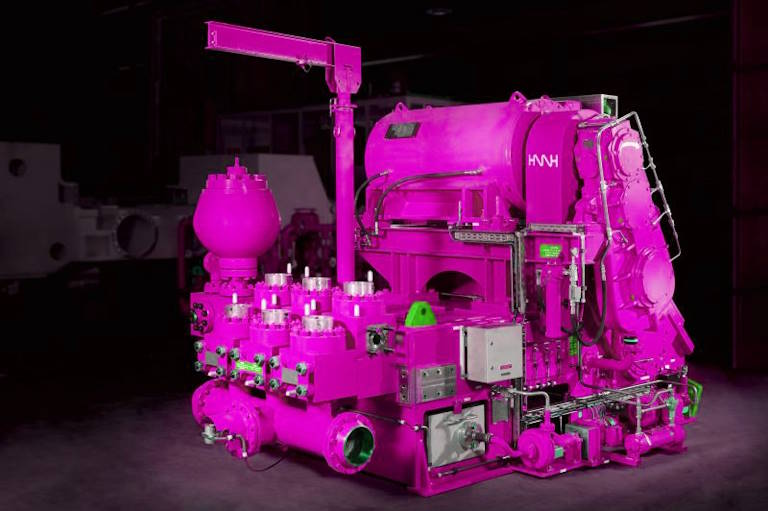
A bentonite slurry injection system is a facility for producing, storing, and injecting bentonite slurry . It typically consists of a storage tank, a mixer, an injection pump, and associated piping. The system mixes bentonite with water and delivers it evenly to the drilling or geotechnical site.
The main components of the bentonite clay injection package
-
Storage and mixing tanks
-
Where is bentonite powder mixed with water?
-
Equipped with a mechanical or hydraulic drive to prevent sediment formation.
-
-
mixed system
-
Its function is to keep the bentonite in a uniform state at all times.
-
It has the shape of a butterfly or a blade.
-
-
-
It is considered the core of the package.
-
Piston or centrifugal pumps of various designs are used to transport sludge.
-
-
Pipes and fittings
-
Transport of the drilling cuttings to the drilling site.
-
It must be resistant to corrosion and damage.
-
-
Control and monitoring systems
-
Includes pressure gauges, flow meter and electrical control panel.
-
The injection speed can be adjusted and the working conditions can be controlled.
-
Application of the bentonite solution injection package
1. Drilling wells for water and oil
-
Prevent the well walls from collapsing.
-
Transfer tree trunks to the ground.
-
Lubrication of drilling rigs.
2. Construction of dams and construction projects
-
To reduce permeability, bentonite is injected behind the dam .
-
Stabilize the soil and prevent subsidence.
3. Tunnels and subways
-
Maintaining the stability of the tunnel walls during excavation.
-
Reducing groundwater ingress into tunnels.
4. Geotechnics and soil improvement
-
Used for the construction of partition walls, piles and for the stabilization of pits.
-
Improving the mechanical properties of soil and increasing the safety of structures.
5. Foundry and ceramic production
-
Some containers are also used in non-drilling industries to produce bentonite clay.
Advantages of using bentonite injection bags
-
Continuous pulp processing increases working speed.
-
Bentonite has a consistent quality and does not settle.
-
Reducing labor costs for the preparation process .
-
The drilling process is absolutely safe and can prevent falls.
-
Reduce costs through greater efficiency and less downtime.
-
Possibility of precise control of injection flow rate and pressure according to different project conditions.
ICR application example: Chemical injection solutions, potassium formate system
Factors influencing the selection of suitable packaging
-
Project size and daily bentonite consumption
-
Required injection pressure and flow rate
-
Type of activity (oil drilling, water management , tunneling, civil engineering)
-
The bentonite mass used and the mixing ratio with water.
-
Environmental conditions (temperature, humidity, water resources)
-
Equipment acquisition and maintenance costs
Maintenance and care of the bentonite injection system
To extend the service life of the devices and ensure stable operation, the following points must be observed:
-
Check the motor and pump regularly to prevent wear.
-
Clean water tanks and pipes regularly to prevent the formation of bentonite deposits.
-
Use precise instruments to monitor injection pressure and flow.
-
Replace worn parts such as impellers, seals and O-rings.
-
Lubrication and regular maintenance of piston pumps .
The future of bentonite clay injection systems
Due to the increasing demand for civil engineering work and large-scale construction projects, bentonite clay injection solutions are constantly evolving. New trends include:
-
The use of an automatic and intelligent control system makes injection more precise.
-
Design portable, adjustable bags that can be easily transported between projects.
-
Improve energy consumption and pump efficiency .
-
Use materials that are more resistant to corrosion and rust .
Finally
Bentonite injection systems are essential equipment for excavation and geotechnical work and play a key role in improving safety, improving work quality, and reducing costs. By continuously mixing and pumping the bentonite slurry, these systems provide ideal conditions for excavation, tunneling, dam construction, and soil stabilization.
Selecting the right equipment, maintaining it properly, and using high-quality equipment can significantly impact the success of large industrial and construction projects.