Whether in the oil and gas industry, mining, or construction, drilling requires modern equipment. One of the most important pieces of equipment in this field is the mud pump . It ensures the circulation of drilling fluid in the borehole; without it, the drilling process would come to a standstill.
The mud pump is the heart of the wellbore: It circulates fluid and not only cools the drill bit but also generates the necessary pressure to extract cuttings from the depths. In this article, we provide a detailed overview of mud pumps, including their types, components, applications, and benefits, as well as important considerations for selection and maintenance.
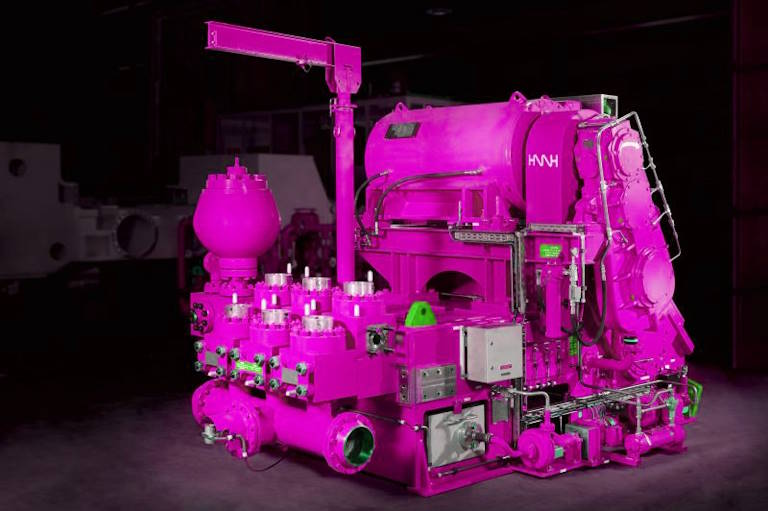
What is a sludge pump?
A mud pump is a high-pressure piston pump used to pump drilling fluid (mud pump) into a wellbore. This fluid typically consists of a mixture of water , bentonite, polymers, and chemical additives and serves various functions, including lubrication, cooling, cuttings transport, and borehole stabilization.
In short, mud pumps are essential tools for maintaining the stability and safety of oil, gas and mining operations .
Main functions of slurry pumps
Mud pumps perform many functions during drilling:
-
To cool and lubricate the drill, drilling fluid is injected into the borehole .
-
It generates enough pressure to lift tree trunks and stone particles from the depths.
-
Protects the well wall and prevents it from collapsing.
-
Monitor tank pressure to prevent sudden explosions.
-
To improve the properties of the drilling fluid, additives are added to it.
Types of slurry pumps
Slurry pumps are generally classified by design and number of cylinders. The main types include:
1. Single-cylinder pump
-
The simplest drill pump
-
low capacity
-
Suitable for light and shallow excavation work.
2. Two-cylinder pump
-
There are two piston cylinders.
-
It has higher pressure and flow than the single-cylinder type.
-
Drilling of medium-depth wells
3. Triplex pump
-
The most common and widely used type of slurry pumps
-
Higher efficiency and more consistent output pressure.
-
For deep drilling of oil and gas wells
4. Penta Bomb
-
Modern drilling pumps
-
High performance, low vibration and long service life.
-
Application in very deep projects and under harsh conditions
The main components of a sludge pump
The sludge pump consists of several components, each of which has a specific function:
-
Cylinder: The place where the piston moves and creates pressure.
-
Pistons and crankshaft: responsible for power transmission and reciprocating movement.
-
Suction valve and outlet valve: Control the inflow and outflow of the liquid.
-
Cooling and lubrication system: prevents overheating and corrosion of parts.
-
Drive system (electric motor or diesel engine): ensures the operation of the pump.
-
Hydraulic part: the part that is in direct contact with the drilling fluid.
-
Power unit: the component that converts mechanical force into movement.
Application of sludge pumps
Sludge pumps are used in various areas:
-
Oil and gas drilling: Drilling fluid is transported deep into the ground and cools the drill bit.
-
Well drilling: Transport of drill cuttings and cores during geological exploration.
-
Tunneling and civil engineering : Used for large underground projects.
-
Deepwater drilling: Fluid injection to remove particles and stabilize borehole walls.
Advantages of using slurry pumps
The use of a sludge pump offers many advantages :
-
Efficient pumping of large volumes of liquid under high pressure.
-
Improving drilling safety by monitoring borehole pressure.
-
Reduced costs through improved drilling efficiency
-
Can operate under harsh conditions such as high temperatures and high pressure.
-
Extend the life of your drilling equipment through continuous cooling and lubrication.
Important points when selecting sludge pumps
When purchasing or selecting a well pump, several factors must be considered:
-
Drilling depth: The deeper the well, the more powerful the pump must be.
-
Type of drilling fluid: The viscosity and chemical composition of the fluid are important.
-
Required working pressure: varies depending on the geological conditions of the area.
-
Efficiency and energy consumption: By choosing a high-efficiency pump, costs can be significantly reduced.
-
Access to spare parts and customer service
-
Reputation of the brand and the pump manufacturer
Maintenance and care of drilling pumps
To ensure smooth operation of the drilling pump and to extend its service life , the following points must be observed:
-
Check valves, pistons and cylinders regularly.
-
Check the oil level and lubrication system.
-
Replace worn parts immediately.
-
Cleaning the fluid inlet and outlet channels
-
Recording and monitoring of pump outlet pressure and flow
-
Preventive maintenance before serious damage occurs
The future of sludge pumps
With the development of new technologies in the oil and gas industry, slurry pumps will also undergo fundamental changes. Future trends in this field include the use of new high-strength materials, intelligent digital monitoring systems , and reduced energy consumption.
Finally
Mud pumps are a critical piece of equipment in underground mining. They play a key role in circulating drilling fluid and maintaining the integrity and stability of the borehole . Proper pump selection, proper maintenance, and quality construction are critical to the success of any drilling project.
In short, the slurry pump is the heart of the production process and without it the oil, gas and mining industries could not continue their operations.