Pitting corrosion is among the most destructive and dangerous forms of pitting corrosion and is characterized by the formation of small, deep depressions on metal surfaces. Due to its localized occurrence and the difficulty in detecting it, this type of corrosion can lead to sudden failures of equipment and metal structures. This article provides a comprehensive overview of its mechanisms of formation, influencing factors, and control methods.
Spiker mechanism
The process of tooth formation and tooth growth
-
Destruction of the protective layer : The protective oxide layer is damaged in certain areas.
-
Formation of hollow cells :
-
Anode region (within the cavity) : Fe → Fe²⁺ + 2e⁻
-
Cathode area (around the pore) : O₂ + 2H₂O + 4e⁻ → 4OH⁻
-
-
Acidification of the cavity environment : decomposition of metal ions and reduction of pH value.
-
Increased corrosion : Creation of a self-reinforcing environment
Key features
-
Large depth-to-diameter ratio (usually greater than 1:1)
-
Rapid vertical growth
-
The surface appears to be in relatively good condition.
-
Early diagnosis is difficult.
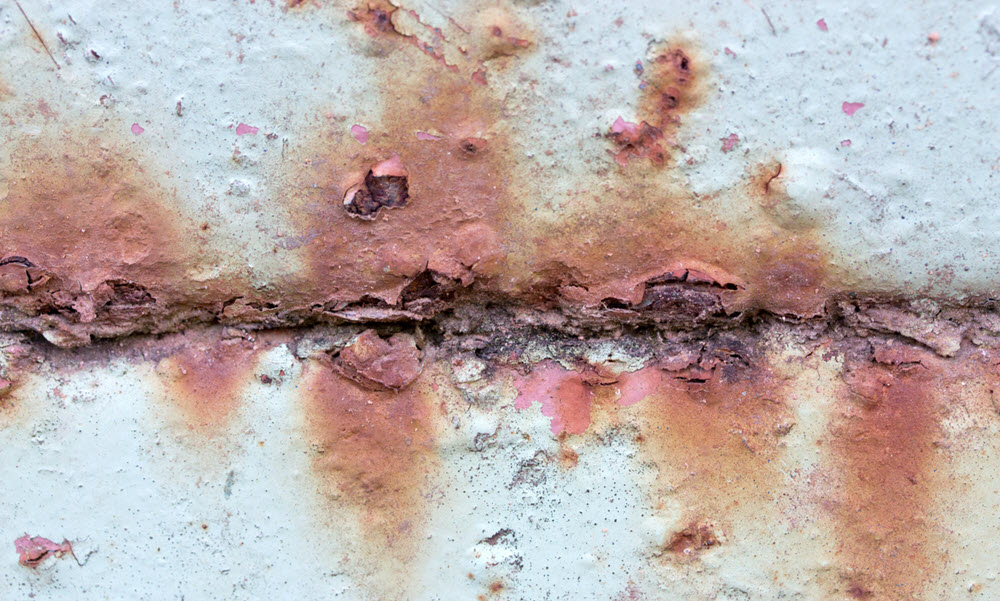 Factors influencing pitting corrosion
1. Mineral factors
-
Surface contaminants and irregularities
-
structural defects
-
remaining efforts
-
Chemical composition of alloys
2. Environmental factors
-
Corrosive ions (especially chloride ions) are present.
-
High temperature
-
The pH value decreases.
-
Oxygen concentration
-
Flow velocity
3. Surface parameters
-
Surface roughness
-
Scratches and mechanical defects
-
Surface contamination
-
Unfinished paint
sensitive metals and alloys
1. Stainless steel (especially the 300 series)
-
High sensitivity to chloride ions
-
Cavitation occurs at temperatures above 60 degrees Celsius.
2. Aluminium and its alloys
-
Sensitive to halide ions
-
The phenomenon of cavitation at neutral and alkaline pH values
3. Copper alloys
-
Sensitive to ammonia and sulfides
-
Cavity in seawater
4. Carbon steel
-
In a saline environment
-
In seawater desalination plants
Diagnostic and assessment methods
1. Optical and microscopic methods
-
Light microscope
-
Scanning electron microscope (SEM)
-
fiber optic probe
2. Electrochemical methods
-
Circular polarization
-
Measurement of the probability of failure
-
Electrochemical impedance spectroscopy (EIS)
3. Standardized tests
-
ASTM G48 – Spot Abrasion Resistance Test
-
ASTM G61 – Cyclic Polarization Test
-
ISO 11463 – Guidelines for the assessment of pitting corrosion
Prevention and control programs
1. Select suitable materials.
-
Use high molybdenum stainless steel (316, 317).
-
Corrosion-resistant alloys such as Hastelloy and Inconel are used.
-
Use of titanium in chlorinated environments
2. Environmental control
-
Reduction of the concentration of attacking ions
-
Adjustment of the pH value of the environment
-
Use corrosion inhibitors
-
Temperature control
3. Superficial methods
-
Passivation
-
Protective coatings (organic, inorganic, mineral)
4. Technical Design
-
Avoid fluid accumulation.
-
hygiene
-
Reduction of pressure concentration
-
Simple inspection
Standard for resistance to fossil corrosion
1. Cavity Resistance Index (PREN)
For stainless steel:
PREN = %Cr + 3.3×%Mo + 16×%N
-
PREN > 40: Excellent tolerability
-
PREN 32-40: Good tolerability
-
PREN < 32: Limited resistance
2. Industry standards
-
NACE MR0175/ISO 15156 – Materials for use in hydrogen sulfide-containing environments
-
ASTM A923 – Spot corrosion test for duplex steel
-
API 571 – Corrosion pathology in the petroleum and gas industry
Practice-oriented research and experience
1. Oil and gas industry
-
Problem: There was a leak in the oil pipeline.
-
Solution: Use high-quality stainless steel PREN 316L.
2. Maritime industry
-
Problem: Pitting corrosion on the structure
-
Solution: Use corrosion protection coatings containing zinc.
3. Chemical industry
-
Problem: Wear and tear of the heat exchanger
-
Solution: Use grade 2 titanium.
New methods for combating insect bites
1. Nanocoating
-
Thin, highly adhesive layer
-
Self-healing paint
2. Modern alloys
-
Double steel
-
High-strength alloy (superustenitic)
3. Intelligent monitoring system
-
Electrochemical sensors
-
Online monitoring system
Conclusions and practical suggestions
Pitting corrosion is one of the most dangerous types of corrosion due to its localized nature and rapid spread. A comprehensive understanding of its mechanisms and accelerating factors enables the development of effective methods for its prevention and control.
Pumps and systems for oil and gas
Key recommendations:
-
Materials with a high PREN value should be used in chlorinated environments.
-
Implementation of best practices for carrying out periodic inspection plans.
-
Prevents the accumulation of dead fluids in the body.
-
The coating must be applied completely and evenly.
-
The entire drainage system must be taken into account during the planning phase.
By implementing these solutions, you can extend the lifespan of your equipment and avoid unexpected and costly failures.