Crude oil is one of the world’s most important energy sources: Millions of barrels are extracted, refined, stored, and exported every day. However, the crude oil extracted from the wells is far from being suitable for direct transport or further processing. It typically contains dissolved gases, water, salts, organic impurities, and various volatile compounds. These substances not only reduce the quality of the crude oil but also increase operational risks, such as flammability, corrosion of equipment, pressure instability, and even the risk of explosion.
Stabilization is essential to ensure the safety, storage, and transportability of crude oil . The product of this process, stabilized crude oil , is a crucial component of the global energy supply chain. This article provides a comprehensive and expert analysis of the concept of stabilized crude oil, its production methods, advantages, standards, challenges, and applications.
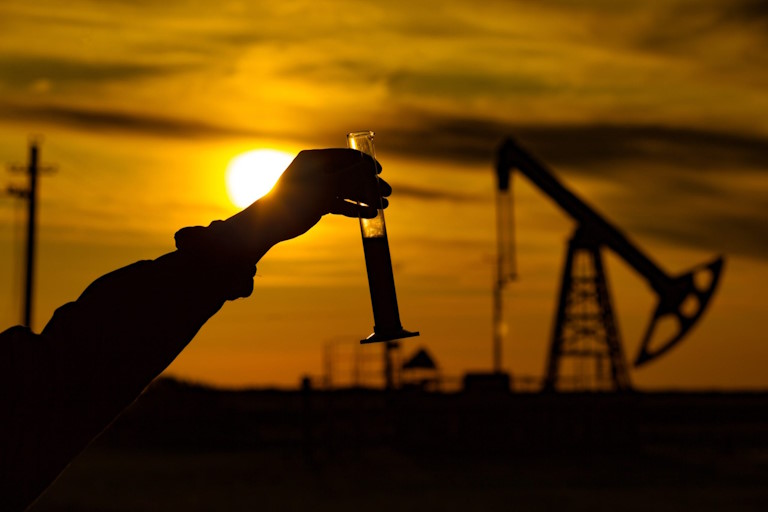
What is meant by sustainable crude oil production?
The term “stabilized crude oil” refers to crude oil from which light gases, volatile vapors, most of the water and sediments have been removed in order to reduce vapor pressure and minimize safety risks.
The main goal of the stabilization process is to reduce the vapor pressure (RVP) so that the oil can be safely transported in tanks or tankers .
In other words, environmentally friendly crude oil is a product that meets the following conditions:
-
It is safer than crude oil.
-
Methane, ethane, propane and some lighter gases such as butane are separated.
-
Free water and emulsion are removed.
-
The salt and sediment content decreased.
-
Includes storage and export functions.
Why is it necessary to stabilize crude oil prices?
Oil stabilization is a crucial step in the oil industry; without it, transporting crude oil becomes extremely dangerous and uneconomical. Here are some of the most important reasons why oil stabilization is so important:
1. Increased security
Gases dissolved in crude oil are released when the temperature rises or the pressure drops, and:
-
There is a risk of explosion.
-
Increase the pressure in the tank
-
The auto-ignition temperature rises.
-
Leaks and fires
Removing these gases significantly improves the safety of crude oil.
2. Reduction of transport costs
Dissolved gases are characterized by large volumes, which leads to high transport costs . The stabilization process achieves the following results:
-
Reduce weight and size
-
Reduction of transport costs
-
Safe loading of oil tankers
That’s how it will be.
3. Meets export standards.
Most oil-importing countries have strict restrictions on the vapor pressure of crude oil. Thermal processes can reduce this pressure to a level that meets international standards.
4. Device protection
Acidic gases, salts, and free water can cause severe corrosion in pipelines and refinery equipment. Stabilized crude oil can extend the lifespan of this equipment.
5. Increase in economic value
The separation of the light gases allows for the separate sale of liquefied gas and product gases, which is very advantageous from an economic point of view.
Loyalty program package for customers of AES Arabia LTD.
How is crude oil stabilized?
The oil stabilization process varies depending on the oil composition, field type, and available equipment, but typically includes the following steps:
1. First separation (three-phase separation)
At the entrance to the extraction plant, the extracted crude oil is separated into three parts:
-
gas
-
Water
-
oil
This takes place in a high-pressure separator.
2. Brine removal (desalination and drying)
The extracted oil contains salt solution and emulsion, therefore the following extraction method must be used:
-
Heating
-
demulsifying agent
-
electric desalination
Desalination is necessary to protect the oil refinery’s facilities.
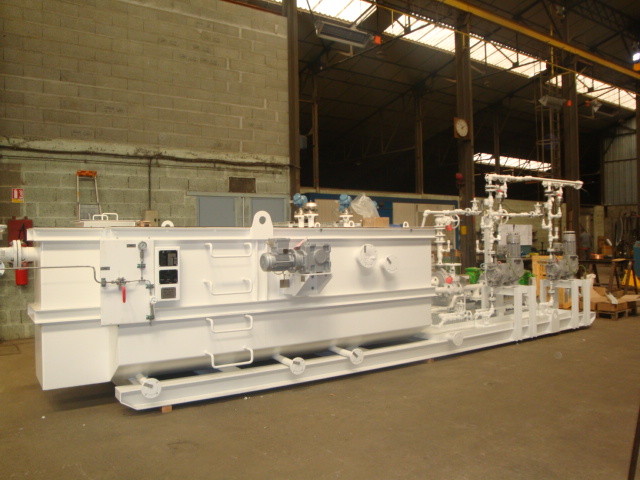
3. Reduce the vapor pressure and separate the lighter gases.
This is the most important phase in the stabilization process. The following methods are typically used:
a) Stability of a stable column
The oil enters a small atmospheric distillation column where:
-
The lighter gas is separated.
-
Increasing the temperature serves to regulate the boiling point.
-
Reduction of stress levels.
The tower produces stable oil and separate gas.
b) Blinking
The oil pressure is abruptly reduced to release dissolved gases.
c) Use of a heat treatment plant
Controlling the temperature increase releases lighter gases.
4. Storage in tanks
After settling, the crude oil is filled into storage tanks and can then be transported in the following way:
-
conveyor belt
-
oil
-
oil
That’s how it will be.
Properties of stable crude oil
Standardized stabilized oils must have the following properties:
-
The relative vapor pressure is less than 10-12 psi (depending on the regulations of the destination country).
-
Humidity below 0.5%
-
Salt content below 5 pounds.
-
Contains no harmful dissolved gases.
-
Long-term storage capacity
The consistent quality of the oil plays a crucial role in its price and demand on the world market.
Benefits of using clean crude oil for industry and markets.
Stable crude oil prices offer numerous advantages for both oil producers and consumers.
1. Reduction of production and safety risks.
Storage tanks and power lines do not explode due to volatile gases.
2. Economic added value
Separated gas:
-
Liquefied petroleum gas
-
LG N
-
natural gas
They are sold and generate separate revenue.
3. Standardization of export standards
Most countries in Asia and Europe only accept stable crude oil.
4. Extending the service life of the devices
Removing salt water and acidic compounds can reduce maintenance costs.
The role of crude oil in the sustainable development of Iranian oil exports
The majority of Iran’s crude oil exports, particularly light and heavy crude, are stabilized before being transported to export terminals. Examples include terminals such as Kharg and Jask.
-
The oil is separated from the lighter gases.
-
The RVP program meets international standards.
-
The oil is ready to be loaded onto very large crude oil tankers (VLCCs) and Suezmax tankers.
If the situation becomes unstable, exports could become impossible due to security risks and regulatory problems.
The difference between stable and hydrogen sulfide crude oil
Some people think stabilization means adding sugar, but those are two completely different things.
| Special feature | environmentally friendly oil | sweet and sour butter |
|---|---|---|
| Goal | Reduction of vapor pressure and separation of gases. | Reduction of sulfur content |
| Removal of light gases | Yes | NO |
| Effect on hydrogen sulfide | to a certain extent | The main purpose of sweets |
| Inquiry | Export and transport | Oil classification |
Stabilized oils can therefore be sweet or sour.
Stability problems with crude oil
The implementation of this process will encounter a number of difficulties:
1. High investment costs
The production of fasteners requires expensive equipment such as:
-
Distillation column
-
Three-phase separator
-
Heat treatment machine
-
compressor
That’s how it will be.
2. High electricity consumption
Processes that require high temperatures and pressures consume a lot of energy.
3. It requires a high level of technical knowledge.
A device failure can have the following consequences:
-
Increased pressure in the right ventricle
-
It does not meet export standards.
-
Security risks
He is a leader.
4. Environmental regulations
To reduce global warming, emissions from sealed gas cylinders must be controlled.
Sustainable use of crude oil
Depending on the type, stabilized oils can be used in various industries:
-
Raw materials for processing
-
Fuel supply for power plants
-
Export by oil tankers
-
Injection in petrochemical processes
The stability of the oil allows these centers to use it with minimal risk.
International Standards for the Sustainable Development of the Oil Industry
Several organizations have established standards for clean oil:
-
ASTM D6377 : Measurement of relative vapor pressure
-
API RP 521 : Process description
-
ISO 3171 : Oil sampling
-
The OPRC-1990 system was developed to prevent transport hazards.
These standards provide a suitable working basis for the assembly of equipment.
A sustainable future for crude oil
In light of rising oil exports and stricter safety regulations, sustainable development will play an even more important role in the future. Furthermore:
-
Miniature standard mounting block
-
Use energy-efficient technologies.
-
Improvement of the natural gas production system
-
Digitization of processing units
This will become the prevailing fashion in the future.
In conclusion
Stabilized crude oil is the cornerstone of the global energy supply chain. From the moment oil is extracted from a source until it reaches a refinery or global markets, the stabilization process ensures the following:
-
Surely
-
High quality
-
economic
-
Portable and compliant.
Since a significant portion of Iran’s oil exports are also produced in a clean manner, this process is crucial for the country’s energy infrastructure.
Stable crude oil prices not only reduce the risks associated with transport and storage, but also create significant added value and play a crucial role in the oil industry of many countries.